Dynamic Lab Brings Digital Approaches to Art History
We’re pleased to share a new video that profiles our lab & what we’re up to. You can access the video directly via Duke’s Trinity College YouTube channel here.
About us
Duke’s Digital Art History & Visual Culture Research Lab is a dynamic research community of faculty, staff, and students. We engage and advance critical digital methods to promote new approaches to scholarship and pedagogy in the study and interpretation of the visual arts, architecture, cultural heritage, and urban environments. Learn more…
Fall 2024 Courses
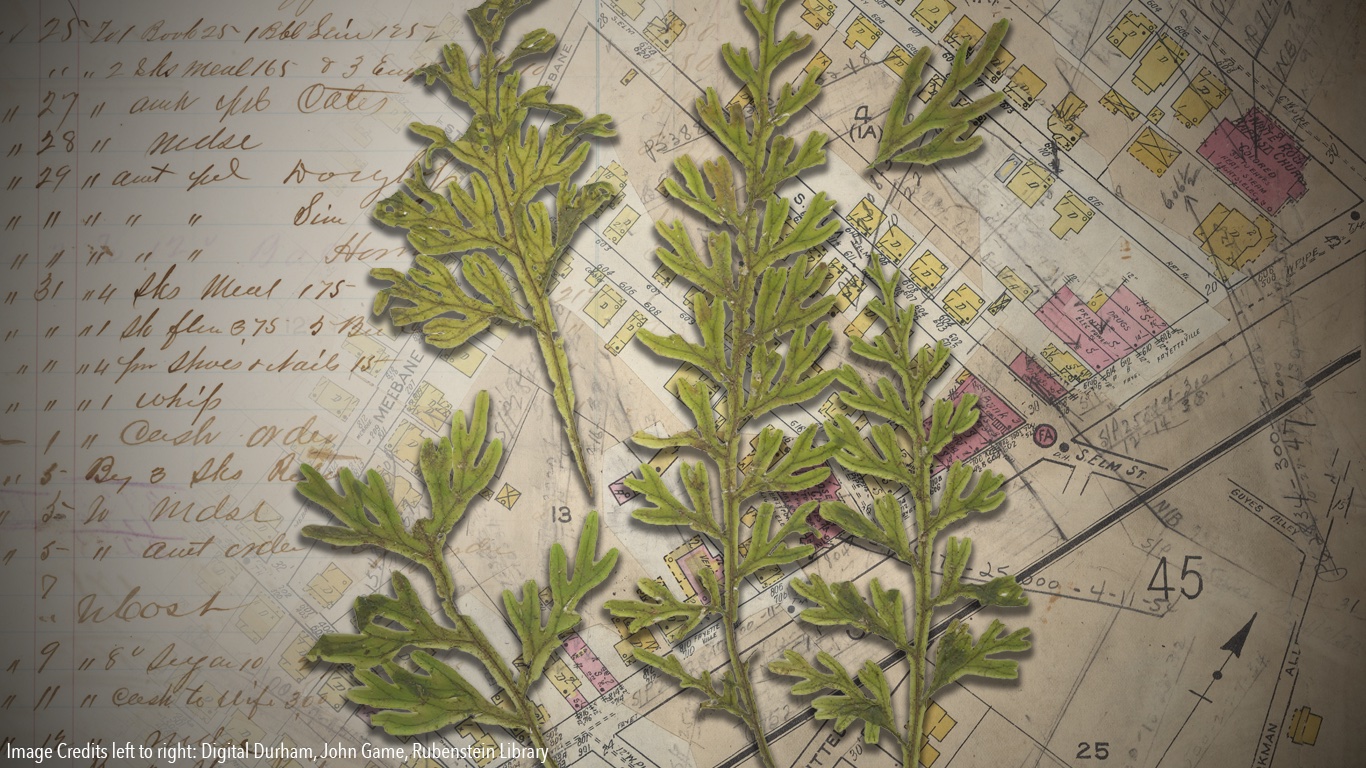
Archives as Data
A discursive and hands-on engagement with questions of how archival materials can be transformed into data, why scholars may engage archives as data, what kinds…

Constructing Immersive Virtual Worlds
Theory, practice, and creation of 3D virtual worlds. Hands-on design and development of online collaborative simulation environments. Introduction to graphics workflow for creating virtual world…
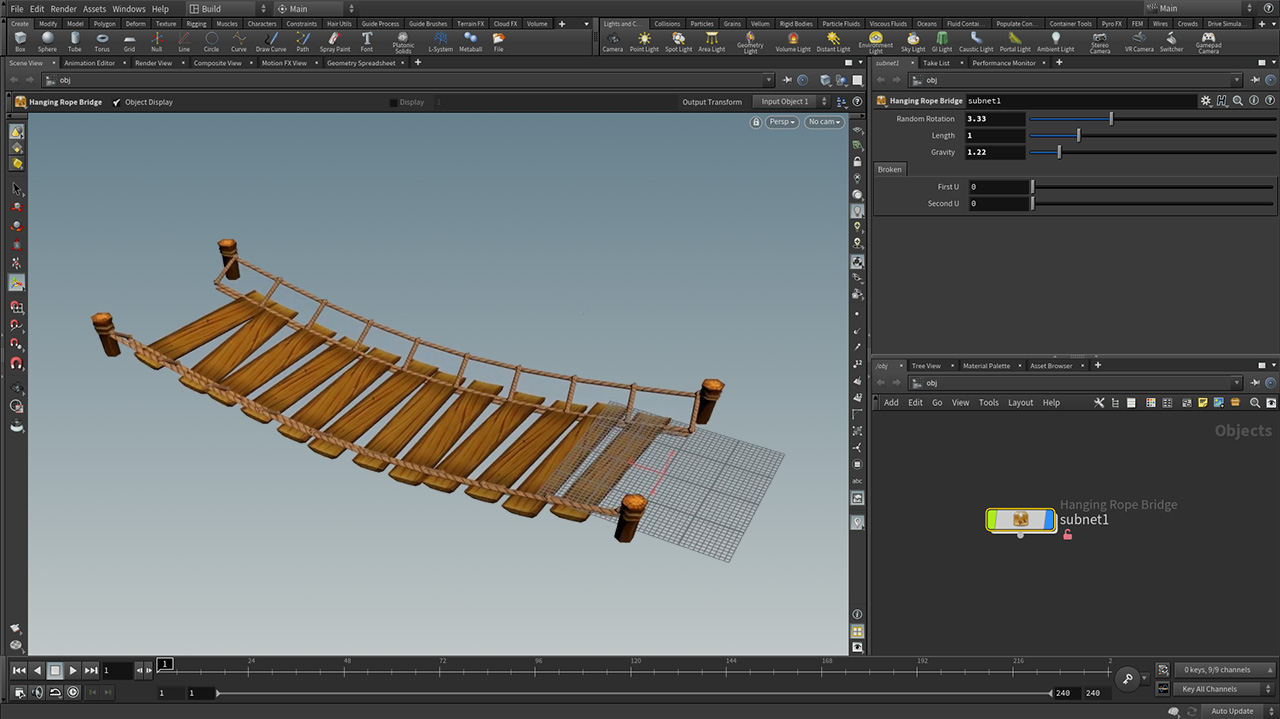
Proseminar II: Computational Media Studio in 3D & Interactive Media
Core studio practice-based course for advanced computational methods; emphasis on development of individual artistic and/or digital research practice through prototyping and critique. Introduction to key…
New Media, Memory, and the Visual Archive
Explores impact of new media on the nature of archives as technologies of cultural memory and knowledge production. Sustained engagement with major theorists of the…

Digital Art History/Computational Media Thesis Writing Workshop
Support for the writing of the thesis paper through multiple drafts and group discussion. Writing of documentation and reflection of the MA in Digital Art…

Proseminar I: Interdisciplinary Digital Humanities
Multimodal interdisciplinary digital humanities in theory and practice. Research, cultural heritage applications, public outreach. Theoretical and critical perspectives on humanities texts, data, images and other…
Featured Projects
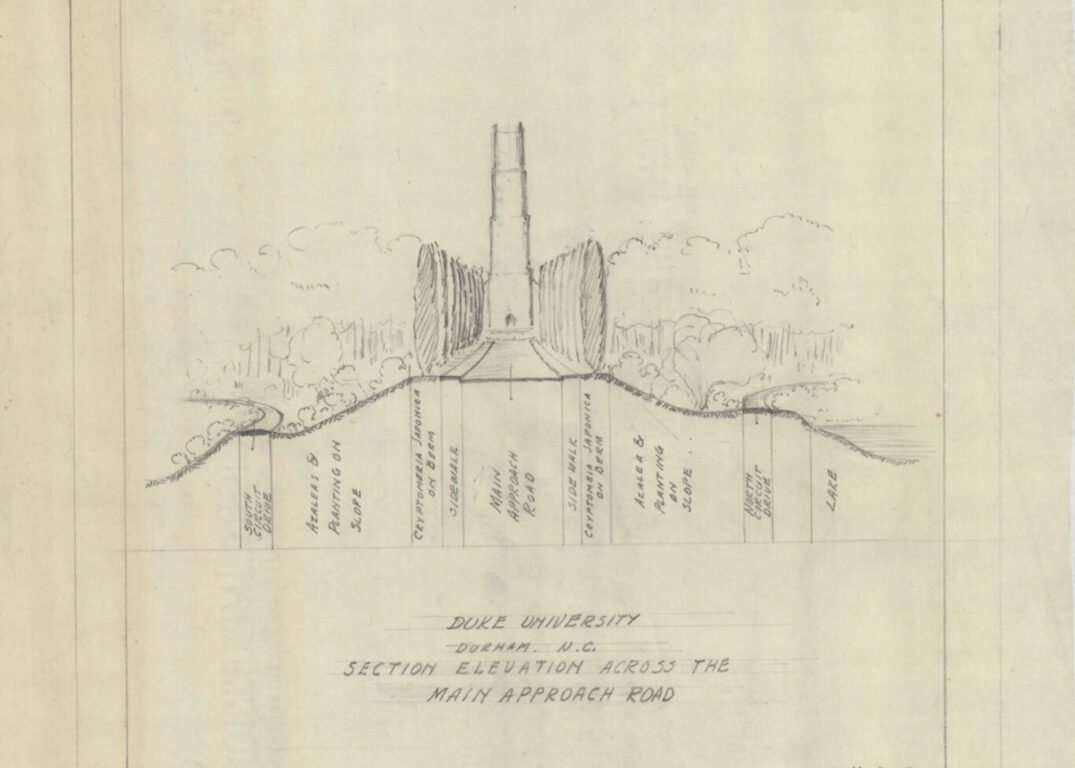
World Building at Duke in an Emerging Durham: 1924-1932
This project is part of the 2023-2024 Bass Connections Duke’s Centennial popup theme. The establishment of the Duke Endowment in 1924 enabled the massive building…
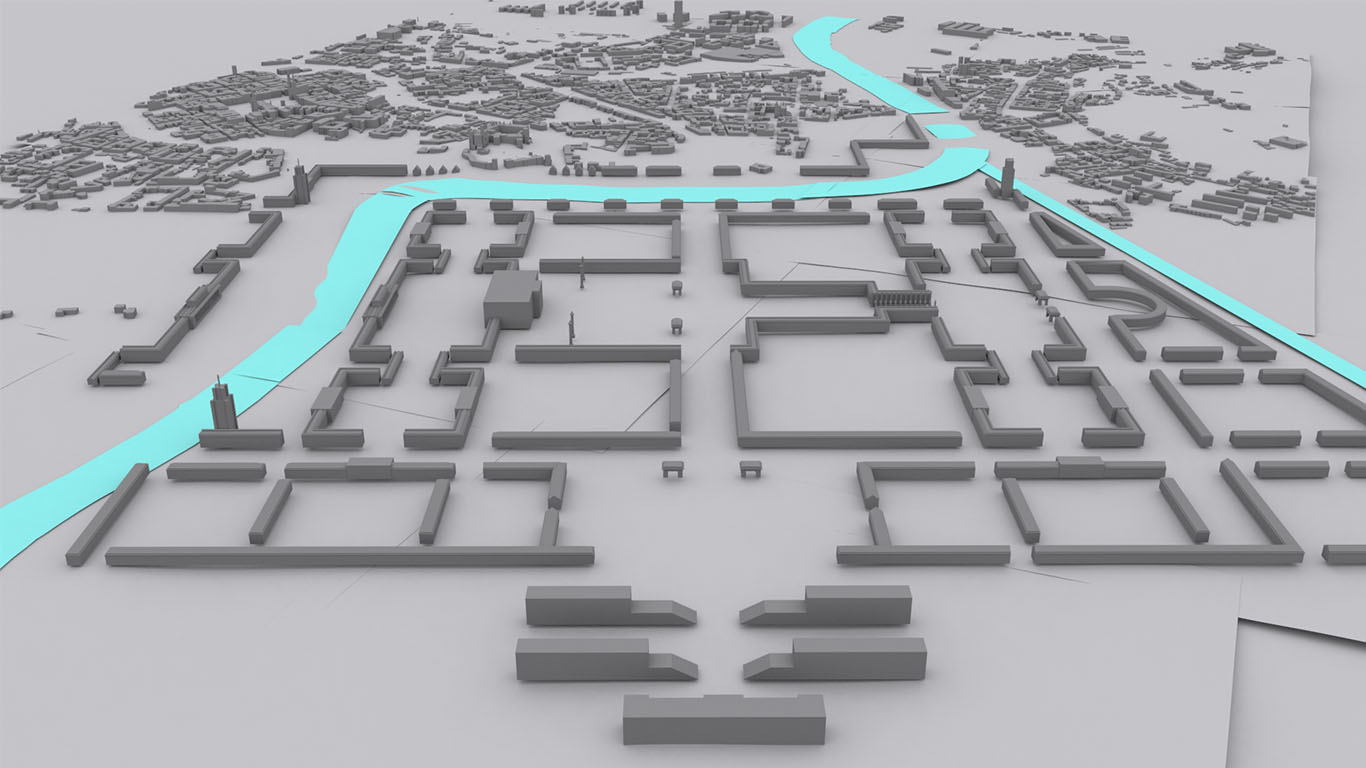
Mapping Occupied Krakow
As is well known, Krakow became a key location within the National Socialist plan for military expansion and the implementation of genocide in Eastern Europe…
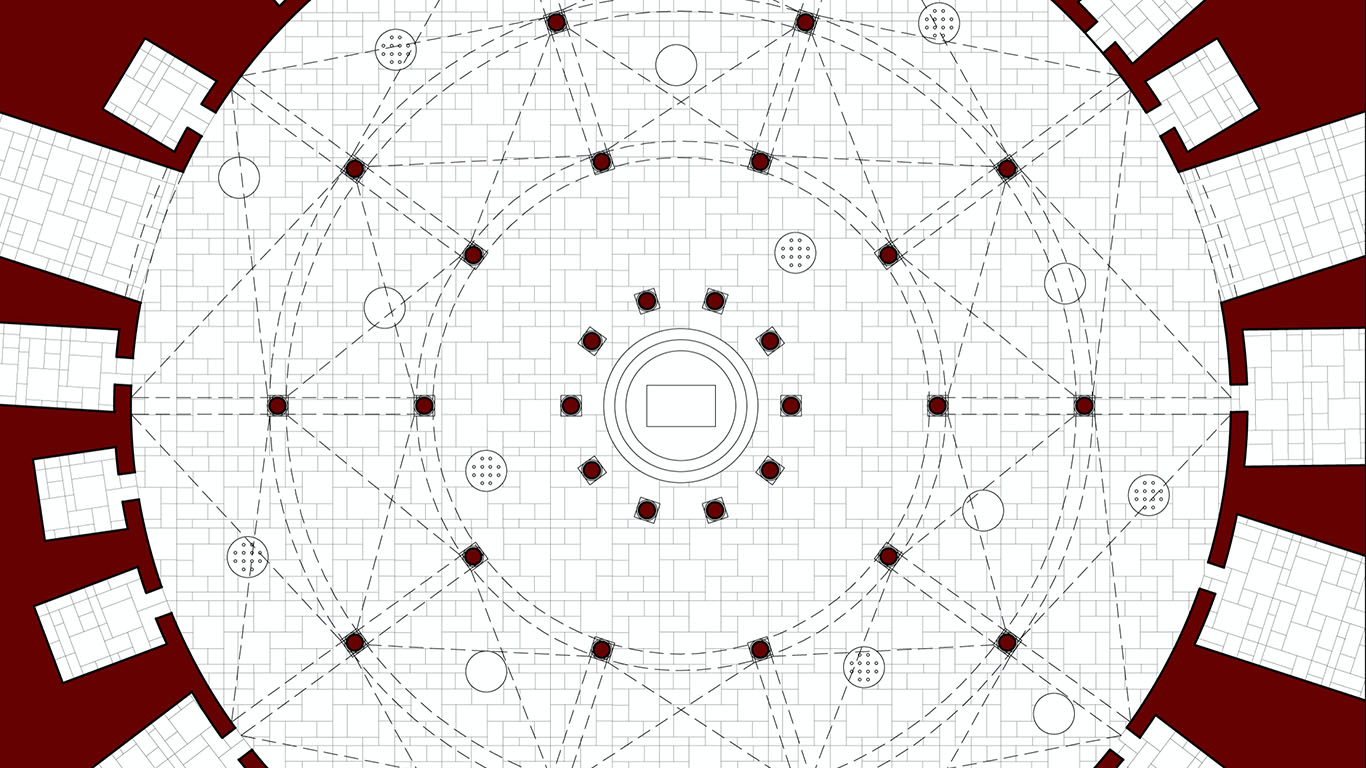
Visualizing Lovecraft’s Providence
This project explores the use of historical and cultural visualization techniques to instantiate the imagined Providence, Rhode Island of author H.P. Lovecraft. H.P. Lovecraft famously…
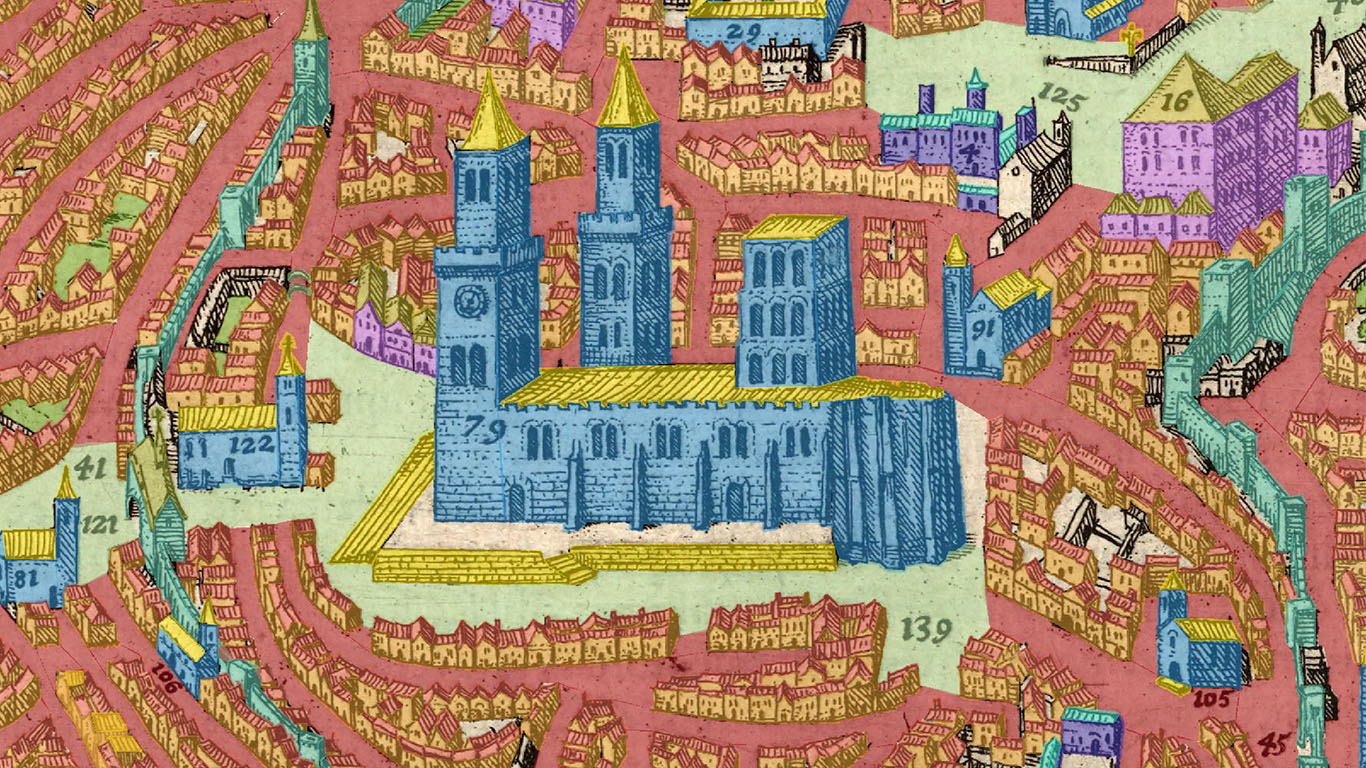
Sandcastle
The primary goal of the Sandcastle project is to enable researchers to visualize non-Cartesian, premodern images of places in a comparative environment that resembles the…
News

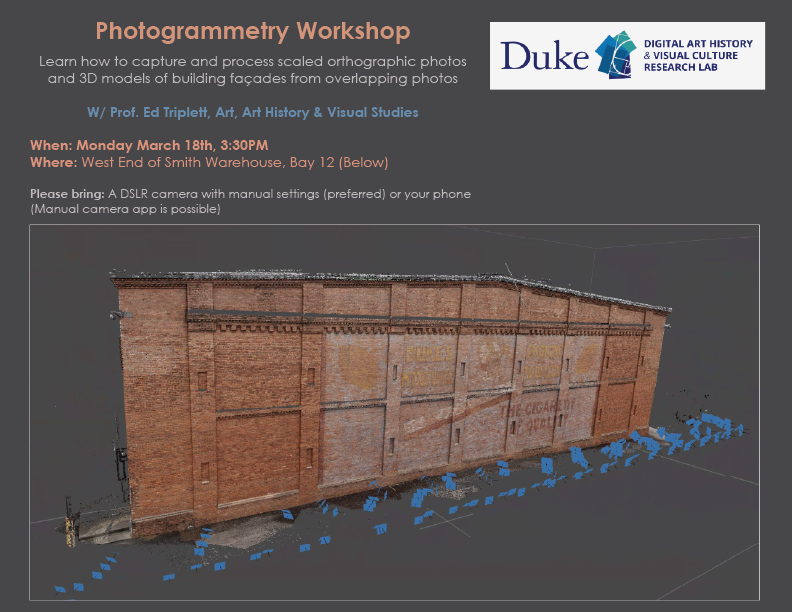

Lab Calendar
- April 24, 2024
-
- April 25, 2024
-
- April 26, 2024
-
- April 27, 2024
-
- April 28, 2024
-
- April 29, 2024
-
- April 30, 2024
-